RIVER FISH · Cool water & low light
Walleye
Sander vitreus
A toothed predator with two separate dorsal fins, reflective-looking eyes and a pale marking on the lower tail.
Explore related rivers & gauges ↓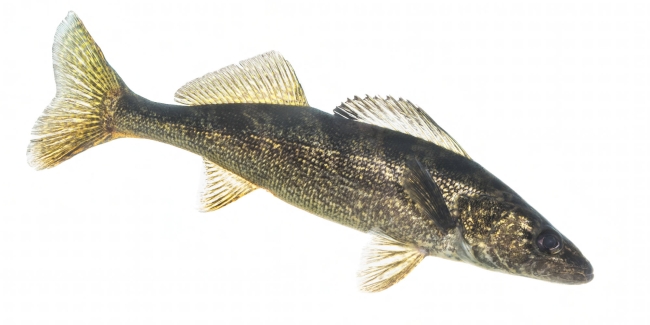
Meet the fish
- Habitat
- Cooler rivers, lakes and reservoirs; rock, logs and ledges provide cover.
- On the menu
- Mostly other fish, with opportunistic feeding on crayfish and other animals.
- Size context
- Virginia DWR reports that fish regularly exceed 20 inches there; some locations produce fish over 30 inches.
- Range & local context
- The native range includes the Great Lakes and Mississippi drainage. Introductions and stocking support populations in other waters.
Living with the river
Water & habitat
Walleye are adapted to low light and may use cover during bright conditions. Light, depth and habitat matter; discharge alone cannot tell you whether they are feeding.
Seasonal life
Spawning uses clean rocky bottom. Virginia fish spawn in late winter; timing differs across the species' range.
A fishing-themed soundtrack pick, not a song about this particular species.
Spotify loads only when you choose. No autoplay.
Before you go
Walleye and saugeye are not interchangeable names. Check identification and local rules before fishing.
Use the linked agencies and the relevant river guide for current regulations, closures and consumption advisories. A species profile is not a fishing license or a statement that harvest is allowed.
Editorial review: . Regional size examples are labeled; maximum lengths are not typical sizes.
More river fish
Keep exploring species connected to the same river-guide network.