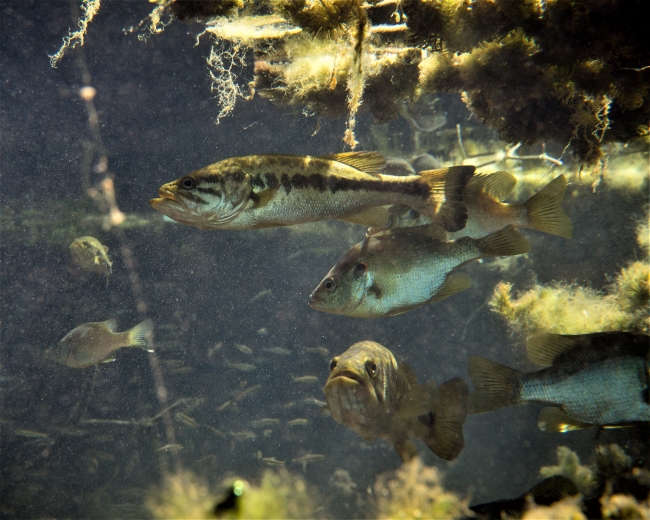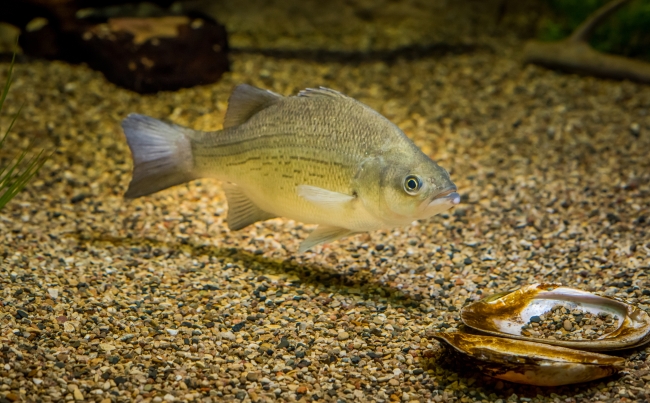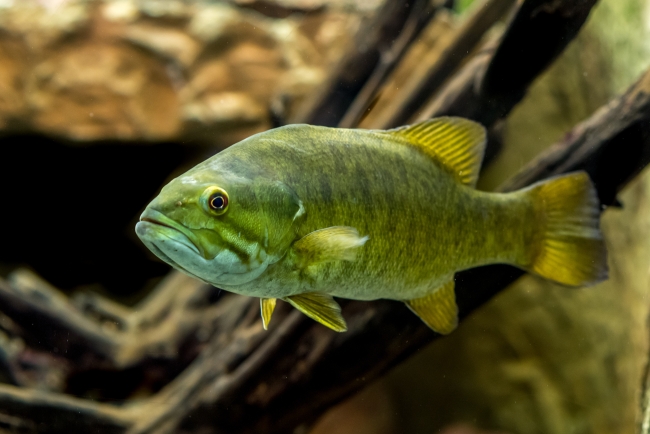
Smallmouth bass
Micropterus dolomieu
A bronze-to-olive bass associated with rocky streams, pools and cover. Its closed jaw does not extend behind the eye.
Explore river fish by habitat, life history and the waterways that mention them. Each profile connects biology to river guides and live USGS gauge pages without turning water data into a fishing prediction.
Streamflow and gauge height tell you what the water is doing at a monitoring station. Fish also respond to temperature, oxygen, depth, cover, migration routes and season. These profiles put those pieces together and then point you back to the river data.
From smallmouth and largemouth bass to bluegill, crappie and white bass, these are some of the most searched and widely encountered freshwater fish.

Micropterus dolomieu
A bronze-to-olive bass associated with rocky streams, pools and cover. Its closed jaw does not extend behind the eye.

Micropterus salmoides
A cover-oriented predator that hunts around vegetation and submerged structure in lakes, ponds and river backwaters.

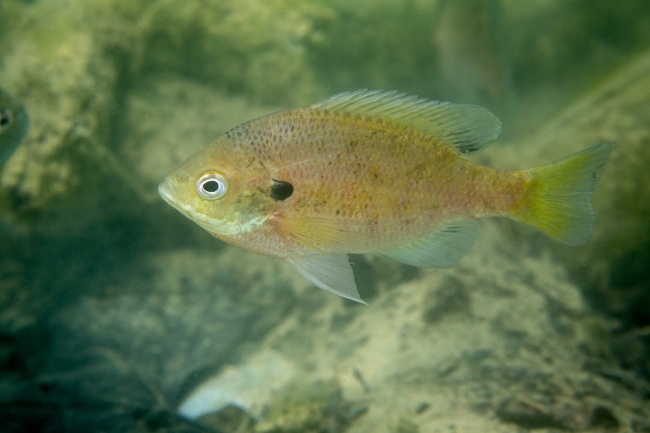
Lepomis macrochirus
A deep-bodied sunfish with a small mouth, a dark ear flap and a dark patch near the rear of its dorsal fin.

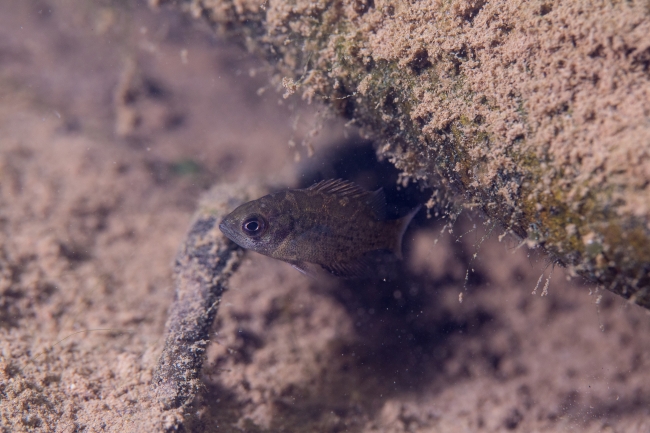
Ambloplites rupestris
A stocky, large-mouthed sunfish with reddish eyes and dark spots on brassy or olive sides.

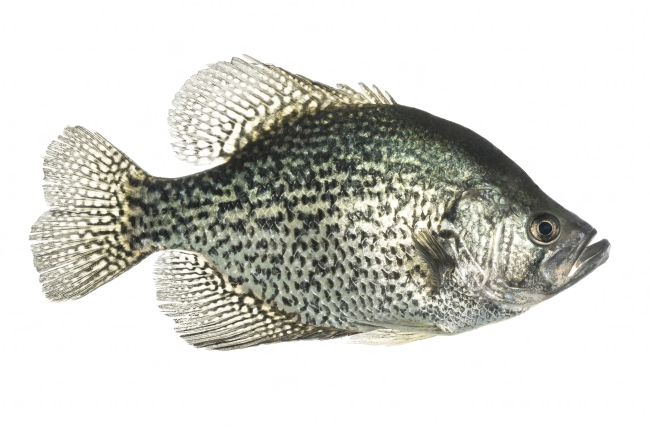
Pomoxis nigromaculatus
A deep-bodied panfish marked with irregular dark speckles and blotches, often schooling around vegetation and submerged cover.

Morone chrysops
A silvery schooling temperate bass that chases baitfish in open water and makes seasonal spawning movements into rivers and tributaries.
Catfish, drum, carp, gar and bowfin show how different a big river can be from bank to channel to backwater. Depth, cover and bottom habitat all matter.

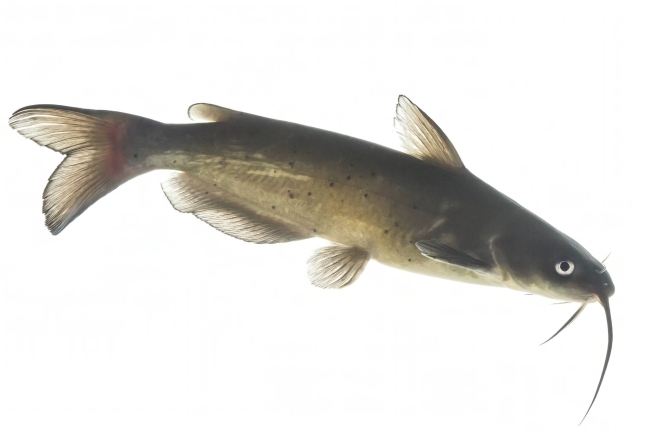
Ictalurus punctatus
A smooth-skinned catfish with sensory barbels and a deeply forked tail. Its fin spines deserve careful handling.
Pylodictis olivaris
A broad-headed, mottled catfish built for ambushing live prey around deep pools, logs and other submerged cover.

Ictalurus furcatus
A large slate-blue catfish with a deeply forked tail that favors big-river channels, pools and reservoirs.

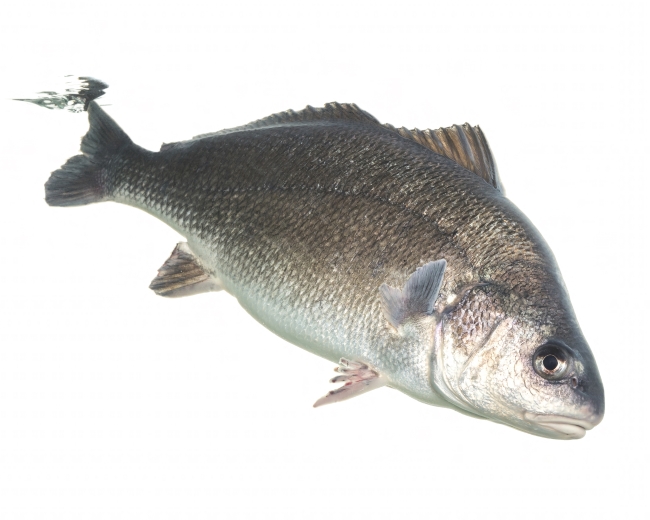
Aplodinotus grunniens
A deep-bodied native drum famous for the rumbling sounds males can make during breeding season.

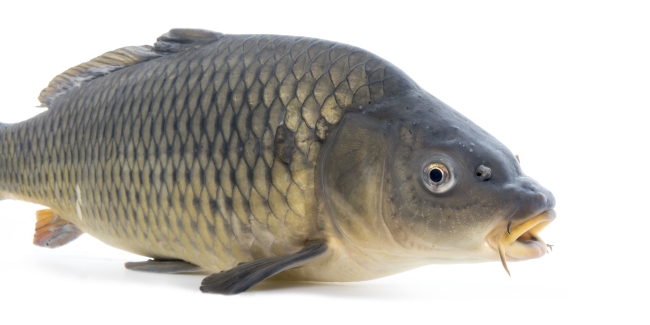
Cyprinus carpio
A large, deep-bodied nonnative fish with barbels near the mouth, now established in many U.S. rivers, lakes and reservoirs.

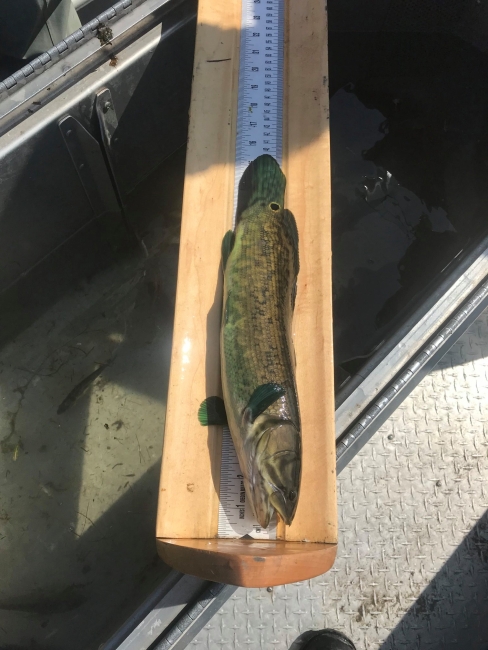
Amia calva
An ancient native predator with a long dorsal fin that thrives in slow rivers, swamps and backwaters and can gulp air when oxygen is low.

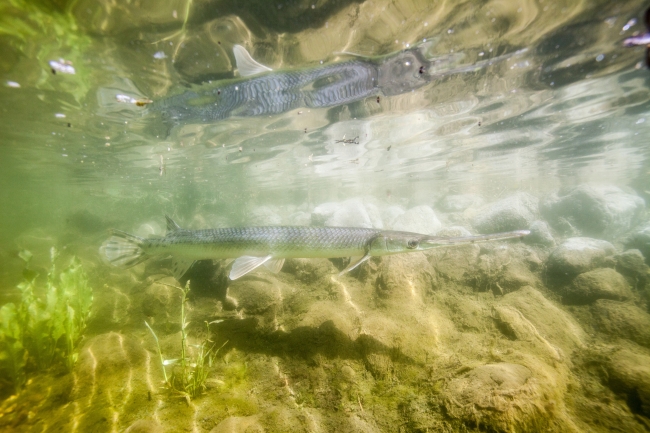
Lepisosteus osseus
A primitive-looking native fish with a long beak-like snout and armored scales, often cruising quiet vegetated water.
Walleye, sauger, muskie, pike and perch occupy different versions of cooler river and lake habitat, from turbulent tailwaters to vegetation lines.

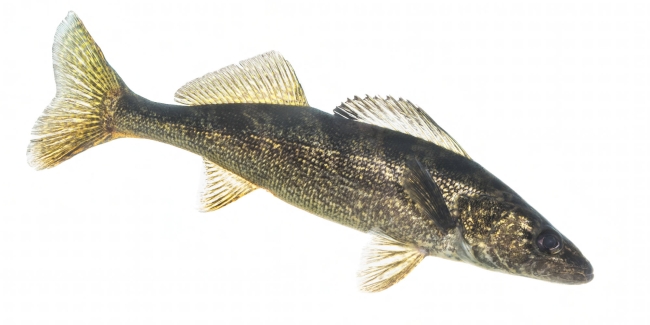
Sander vitreus
A toothed predator with two separate dorsal fins, reflective-looking eyes and a pale marking on the lower tail.

Sander canadensis
A close relative of walleye adapted to big, often turbid rivers, recognizable by dark saddle marks and spots on its first dorsal fin.

Esox masquinongy
A long, toothy ambush predator that waits near vegetation, submerged wood and other cover before making short bursts at prey.

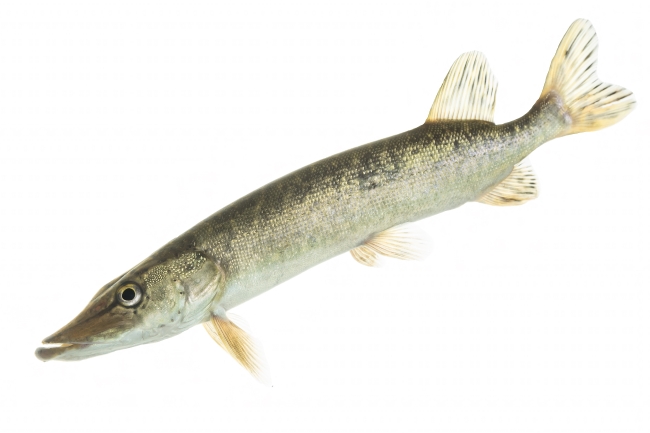
Esox lucius
A long-bodied ambush predator that uses submerged vegetation, shallow marsh edges and nearby deeper water.

Perca flavescens
A yellow-gold schooling perch with dark vertical bars, common around vegetation in lakes and slower river habitat.
Cold-water fish make temperature, clean gravel, tributary access and seasonal migration especially important parts of the river story.

Oncorhynchus mykiss
A spotted trout with a rosy gill plate. Resident rainbow trout and migratory steelhead belong to the same species but have different life histories.

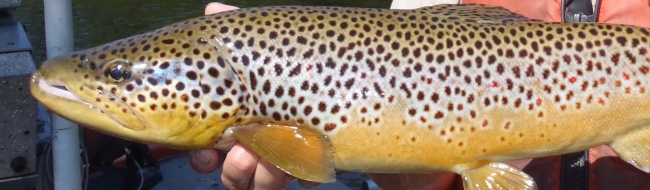
Salmo trutta
A nonnative trout in the United States that thrives in many cold streams, rivers and lakes and often uses undercut banks, pools and structure.

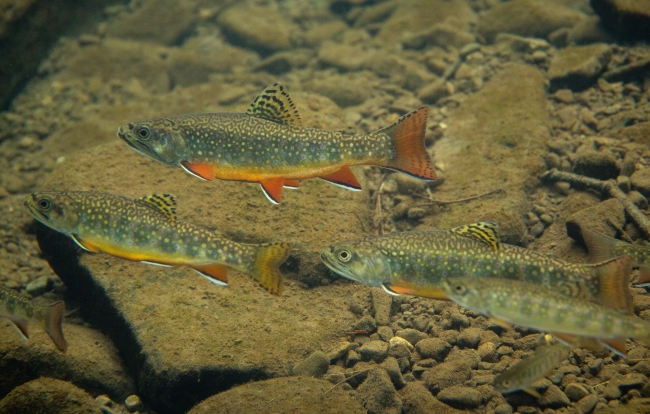
Salvelinus fontinalis
A native eastern char associated with cold spring-fed streams, ponds and clean gravel habitat.

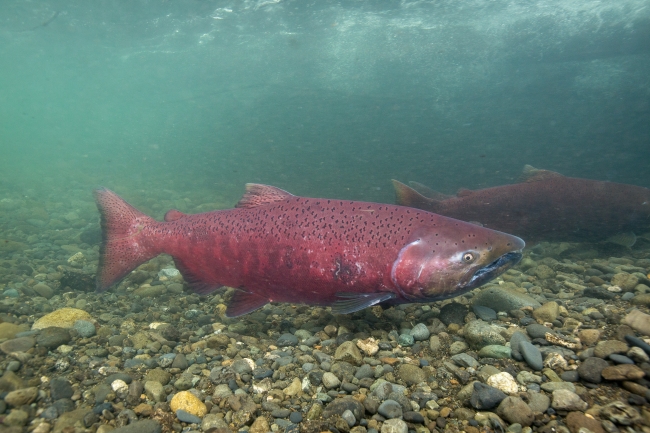
Oncorhynchus tshawytscha
The largest Pacific salmon, born in freshwater before migrating to sea and later returning to rivers and tributaries to spawn.

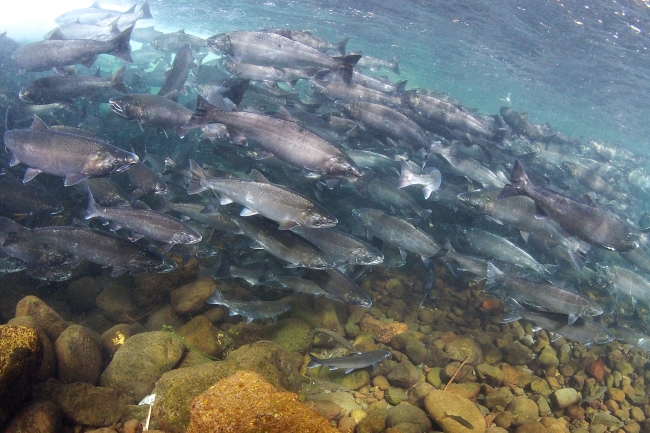
Oncorhynchus kisutch
A Pacific salmon that spends its early life in cool freshwater tributaries, grows in the ocean and returns to natal streams to spawn.
Shad, eels, striped bass, sturgeon and paddlefish can depend on long connected reaches, estuaries, lakes or the ocean. Their stories make river connectivity visible.

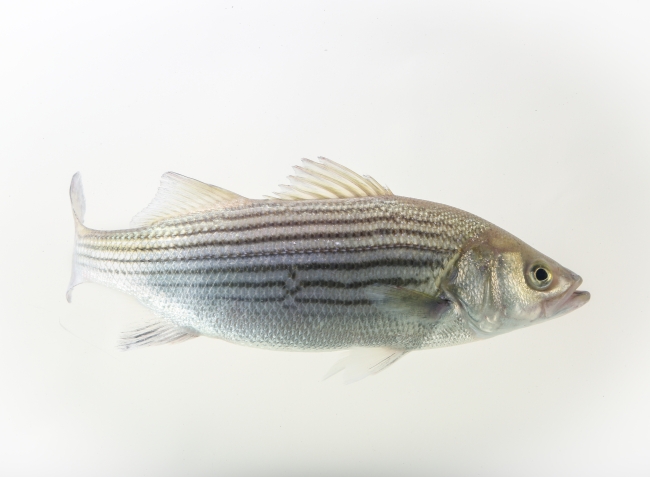
Morone saxatilis
A silvery bass with continuous dark horizontal stripes. Coastal populations connect freshwater rivers, estuaries and the ocean.

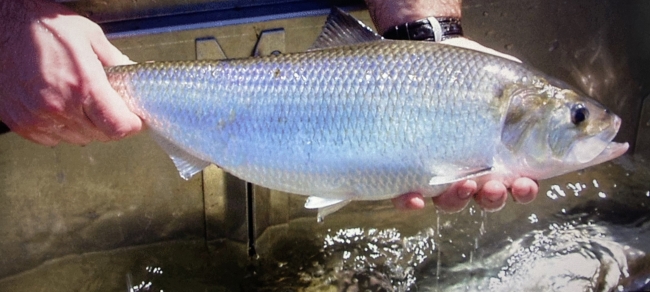
Alosa sapidissima
A silvery, deep-bodied migratory fish with a dark shoulder spot, often followed by smaller spots along its side.
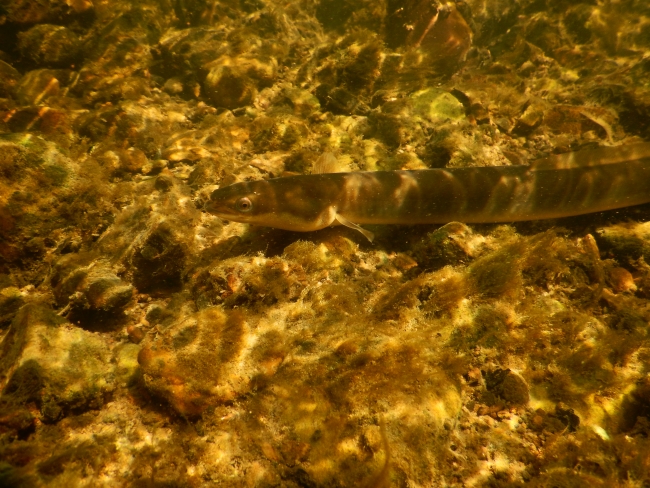
Anguilla rostrata
A snake-shaped catadromous fish that grows in rivers and estuaries but migrates to the Sargasso Sea to reproduce.

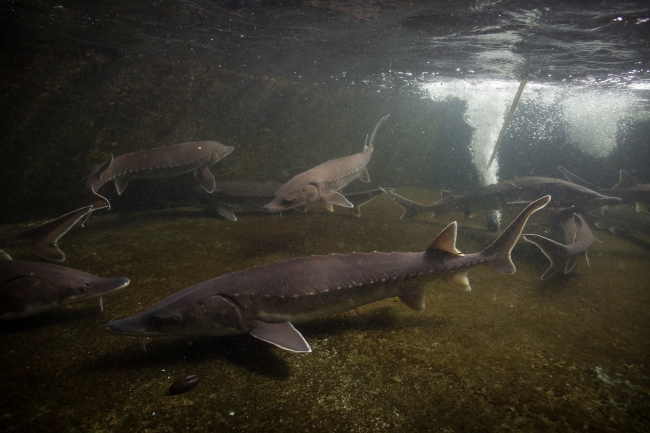
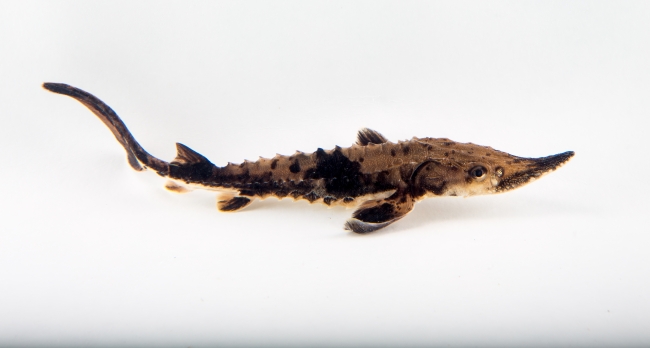
Acipenser oxyrinchus oxyrinchus
A long-lived migratory fish with rows of bony plates, four barbels beneath its snout and an uneven, shark-like tail.

Acipenser fulvescens
A massive, long-lived bottom fish with bony scutes that uses large lakes and rivers and returns to flowing rocky habitat to spawn.

Acipenser transmontanus
A huge, long-lived western sturgeon with rows of bony scutes that uses major rivers, estuaries and connected lake habitat.

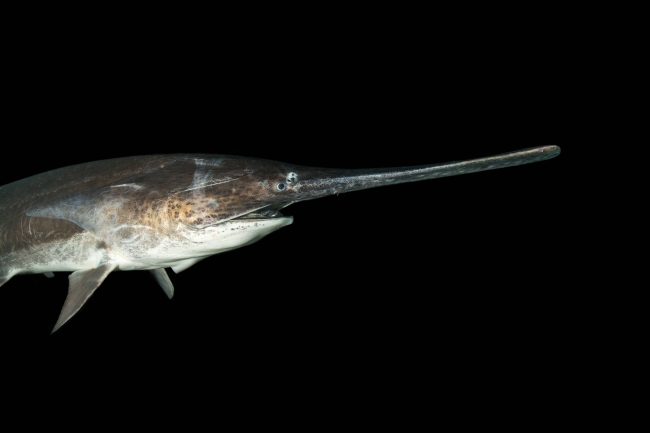
Polyodon spathula
An ancient plankton-feeding fish with a long paddle-shaped snout, built for large deep rivers and reservoirs.
Every species profile can connect to published river guides and live gauge pages where that species is explicitly mentioned. The goal is useful context, not a national sightings map or a bite forecast.
See what is rising, falling and reporting across the country.
Open River Conditions →02Explore river guidesMove from species context into access, fishing, history and local river information.
Browse River Guides →03Understand the gaugeLearn what streamflow and gauge height actually mean before using the numbers.
Read the gauge guide →Species pages use official agency biology sources and clearly separate habitat context from live water observations. A fish profile is not proof of presence, a fishing forecast, a safety rating or a statement that harvest is legal.